Our mission
To improve the standard of care for treatment of gastrointestinal bleeding and protection of the mucosa in endoscopy procedures.
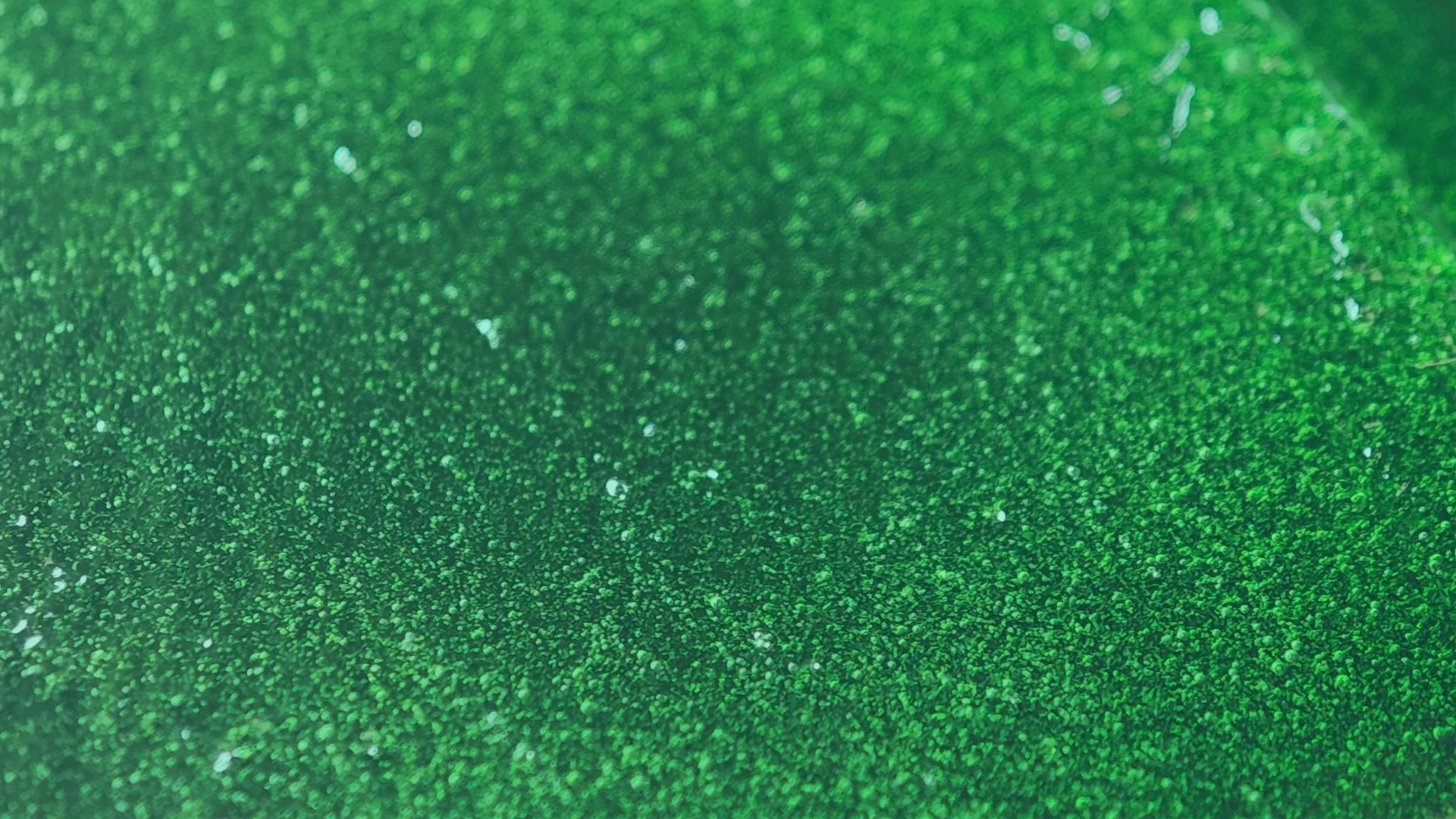
We are developing GastroShield, an advanced biocompatible material for effective management of gastrointestinal bleeding and shielding of high-risk lesions.

Instant hemostasis
Activates immediately upon application.

Durable
Barrier remains adhered in place during the healing process.

Protective Barrier
Strong and flexible shield provides effective bleed management.

Transparent
Preserves visualization of the lesion.
The Problem:
GI hemorrhage alone results in
+500,000
hospital admissions
+2 MILLION
hospital days
$5 BILLION
in direct costs
11,000
in-hospital deaths.
Despite advances in endoscopy, controlling GI bleeding and protecting large lesions remains challenging.
-
Powder hemostats can cloud visualization, clog catheters, and wash away quickly—increasing rebleeding and the need for additional interventions
-
Powders provide transient coating, while standard clips struggle with large or irregular lesions.
-
Procedure inefficiencies — Poor bleeding control drives added interventions and repeat visits—more cost for hospitals, more delays for patients.

Our Technology
1. Built on a Decade of Materials Science Research at MIT
GastroShield is founded on more than ten years of materials science and tissue engineering research at MIT. Our team has developed advanced hydrogel systems designed for challenging environment.
2. Instant Adhesion Through a Two-Component Hydrogel System
GastroShield is delivered as two liquid components that mix at the tip of an endoscopic catheter. Upon contact with GI tissue, they rapidly form a thin, durable hydrogel layer that adheres strongly—even in the presence of blood, moisture, or constant motion.
3. Targeted, Transparent,
Durable Protection
The hydrogel forms a transparent coating that preserves visualization of the underlying tissue. Its mechanical strength and tunable degradation profile provide extended protection where powders and short-lived gels often fail to remain effective.
Meet the Team
-
![]()
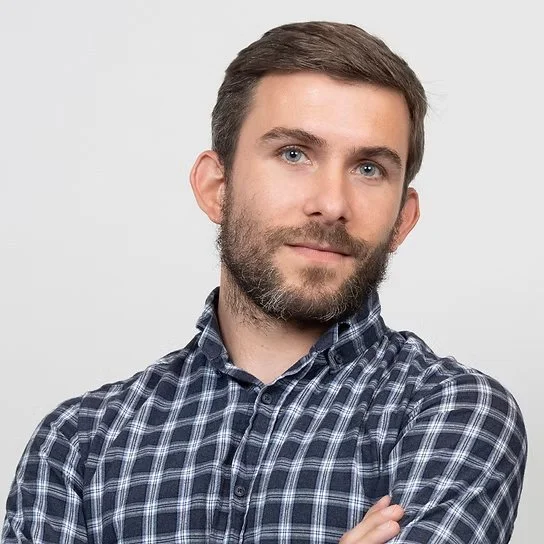
Gonzalo Muñoz Taboada
PhD, MBA
CEO -
![]()
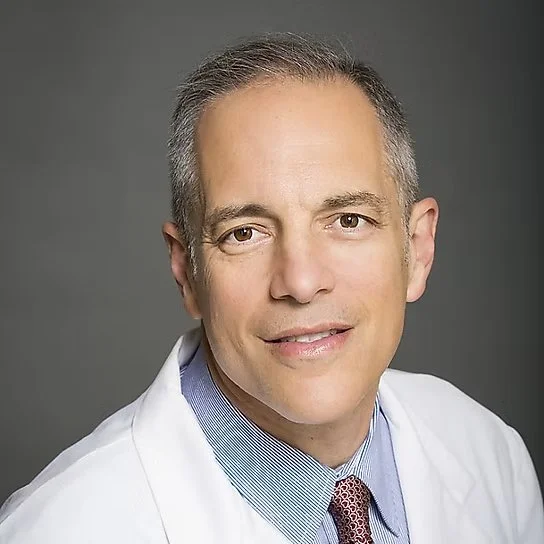
Elazer R. Edelman
M.D, PhD
Co-founder &
Medical advisor -
![]()
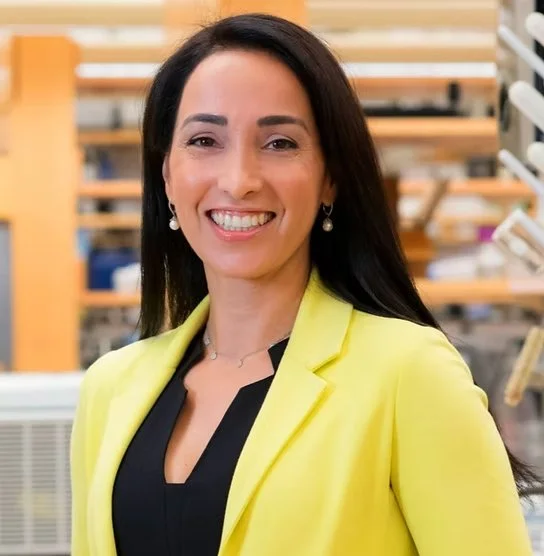
Natalie Artzi
PhD
Co-founder &
Scientific advisor -
![]()
Hiroyuki Aihara
M.D, PhD
Medical advisor -
![]()
Amar Sawhney
PhD
Business advisor -
![]()
Zen Chu
MBA
Business advisor -
![]()
Shahrouz Taranejoo
PhD
Principal Scientist -
![]()
Andrew Calabrese
Mechanical engineer
Principal Engineer -
![]()
Jerome Gangitano
Operations & Quality executive
Quality & Manufacturing lead -
![]()
Dhwani Kansal
PhD
Lead Product Development
OUR Support and Partners